Fashion Institute of Technology
Green Roof Installation
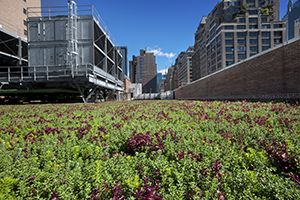
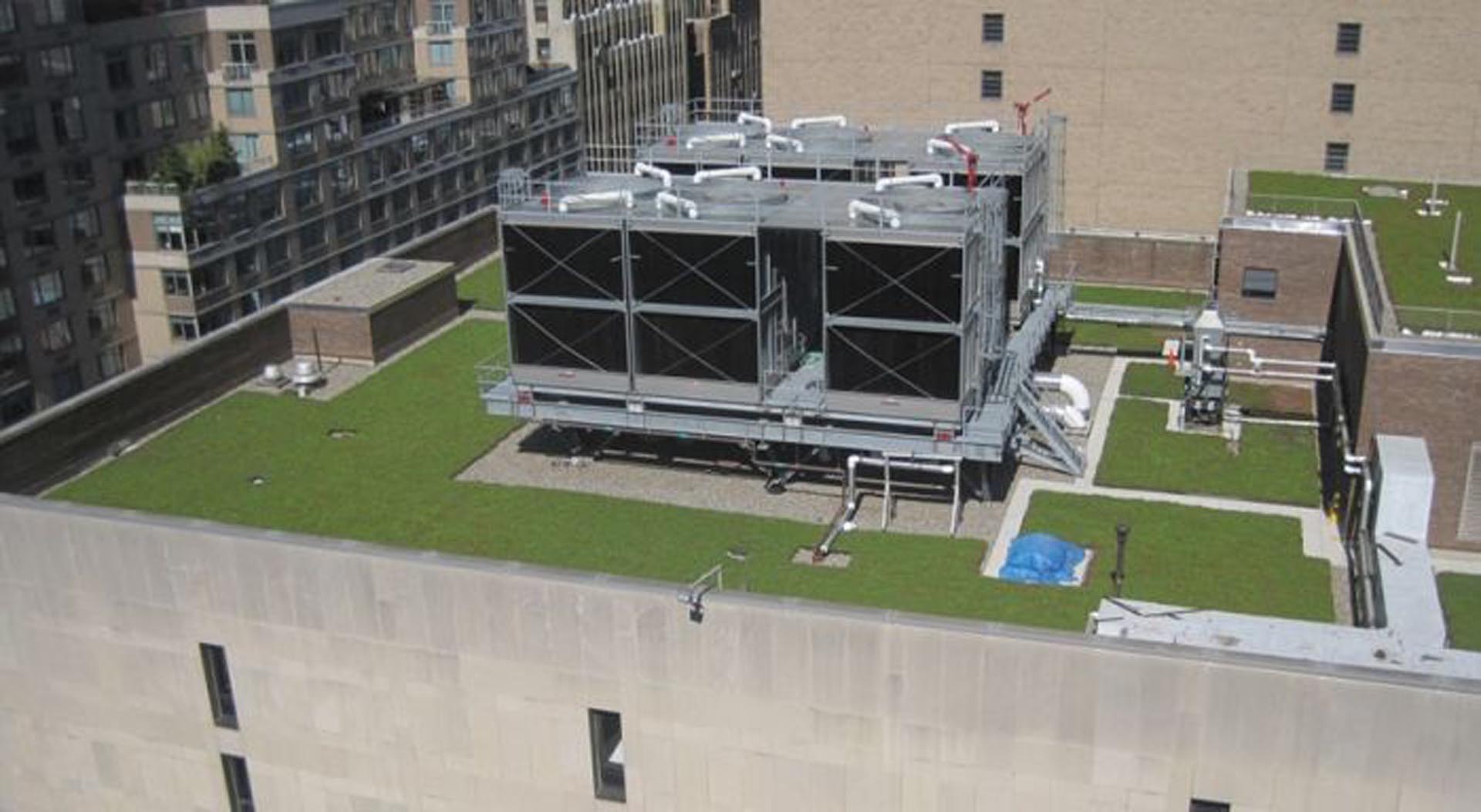
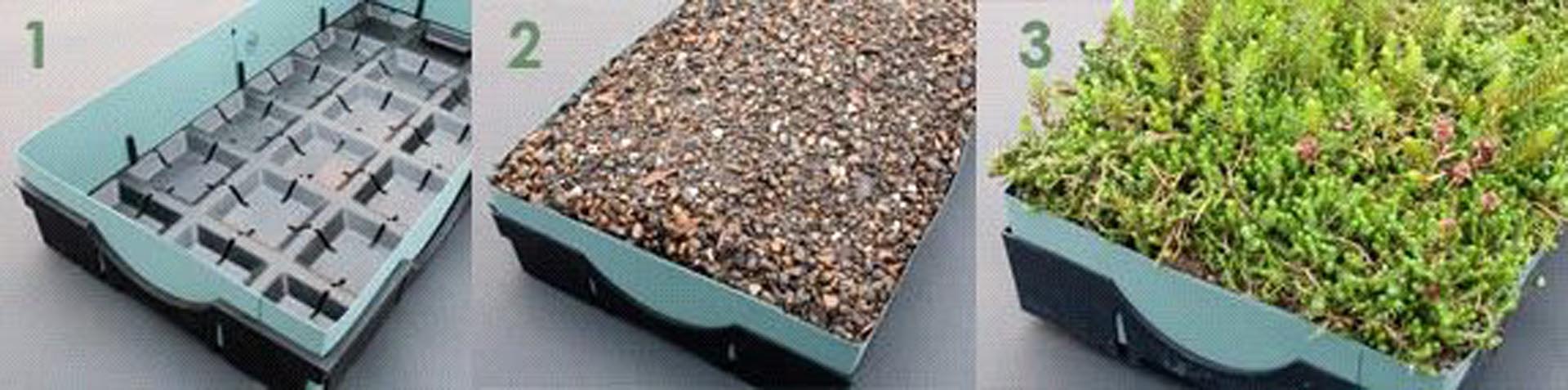
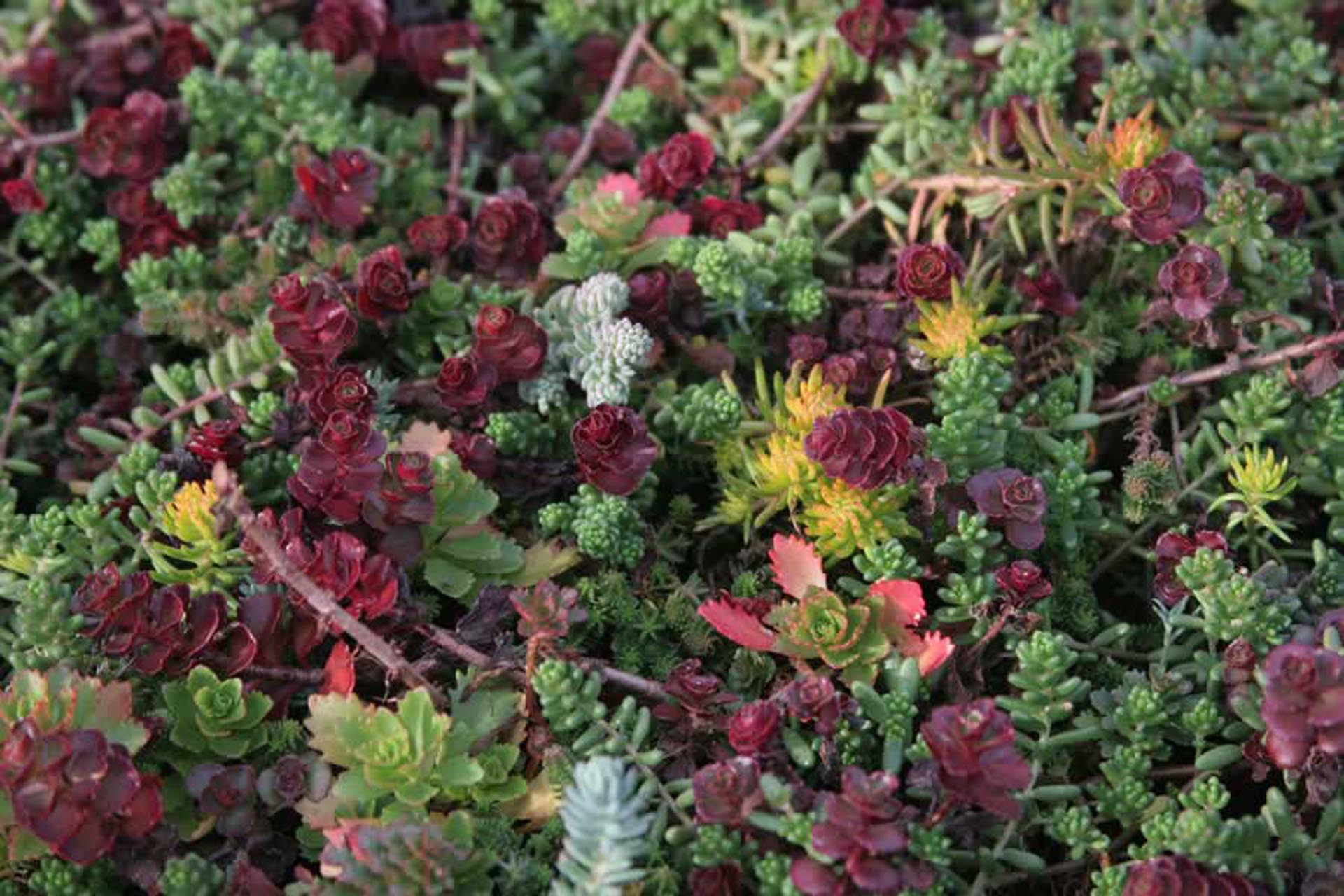
Soil and vegetation layers (left) add insulation to the roof and protect the roofing membrane from ultraviolet radiation. They also absorb rain, reducing storm water runoff. The sedum plants (right) require little maintenance and are hardy enough to survive periods of drought, cold, snow, and ice.
Project Overview
As part of FIT's mission to develop sustainability initiatives, the school installed a 13,500-square-foot extensive green roofing system on one of its major buildings. The project was part of a larger 22,500-square-foot roof replacement project and the first of several green roofs to be installed throughout the campus.
Property
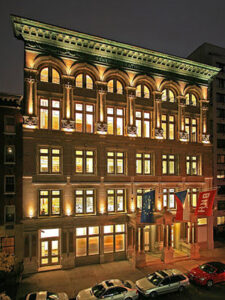
200 West 27th Street, Shirley Goodman Resource Center,
a six-story building that houses the School of Graduate
Studies, The Museum at FIT, and the Gladys Marcus Library.
Highlights
-
Rand conducted a green roof feasibility study to determine if the existing roof could structurally support a green roof and which type of roofing system would be most suitable for the building.
-
The extensive green roof system is composed of 1' x 2' modular trays, six inches in total depth. The trays contain an engineered soil and seven varieties of succulent, low-maintenance sedum plants, hardy enough to survive periods of drought, cold, snow, and ice.
-
To comply with the school's recycling initiative, the existing roof ballast was removed, cleaned, and reinstalled instead of replacing it with new ballast.
Green Roof Benefits
- Vegetation and soil layers protect the roofing membrane
from ultraviolet radiation, extending the life of the
membrane two to three times longer. - The soil and vegetation absorb rain, reducing storm water runoff.
- Green roofs reduce the urban heat island effect, in which brick, concrete, and asphalt absorb heat, increasing the ambient temperature in cities.
- The additional insulation provided by the green roof
increases the roof's average R-value (a measure of
thermal resistance) to 40.5, helping to reduce heating and cooling costs. - On a hot day, approximately 630 liters of water will
evaporate from FIT's green roof, a cooling effect that will
lower heat stress and improve indoor comfort. - The roof will absorb the amount of carbon dioxide
emitted by more than 200 cars driving an average of
12,500 miles per year.
Engineer/Architect
RAND Engineering & Architecture, PC
Contractors
Dimitri Enterprises (general contractor)
Greensulate (green roof installer)
LiveRoof (green roof supplier)
Construction Cost
$400,000