
NYC Landmarks Approval Process and LPC Requirements
What is a landmark?
A landmark is a building, property or object that has special historical, aesthetic, or architectural value to the development, heritage or cultural characteristics of the locale.
In New York City, landmarks are designated by the Landmarks Preservation Commission (LPC). The LPC is responsible for regulating changes to existing landmarks as well as identifying prospective new landmarks.
What are the types of landmark designations?
There are four types of landmarks:
1. Individual
Designated by the LPC for an exterior. Only the exterior features are protected.
2. Interior
Designated by the LPC for an interior space. The public must have access to the interior.
3. Scenic
Designated by the LPC for a landscape feature or group of features. Must be located on city property.
4. Historic District
Designated by the LPC as representative of a period or style of architecture typical to the area, thus creating a “sense of place.” Districts may also be designated due to cultural or social significance.
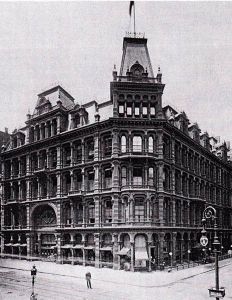
How do I find out if my building is a landmark?
Visit the Buildings Information Search page on the Department of Buildings website and search by the building address. If the Landmark Status field is denoted with an “L,” it is a landmark or in a Historic District, If denoted with a “C” (calendared) the site or district is currently under review or consideration. The application process is the same for both “L” and “C” designated properties. The application for work on a “C” site will require a minimum of 40 business days.
Do I need to apply to the LPC?
Owners are required by law to obtain a certificate or permit before work begins on landmarked properties. An application is required if the proposed work will:
- Change or affect the exterior
- Change or affect an Interior Landmark
- Require DOB permitting (with the exception of abatements; mechanical, electrical, or plumbing installations; and temporary structures such as sidewalk sheds)
Are there varying types of applications?
Applications are distinguished by the amount by which the proposed work will affect the protected architectural elements. The amount of change determines the permit required.
1. Certificate of No Effect (CNE)
The proposed work will not affect the protected feature. Requires 30 business days or more from application to approval.
2. Permit for Minor Work (PMW)
The proposed work will affect the protected feature but will not require DOB permitting. Requires 20 business days or more from application to approval.
3. Certificate of Appropriateness (C of A)
The proposed work will significantly affect the protected feature. After the application is filed, a public hearing must be held. Requires 90 business days or more from hearing to approval.
I need approval now. Can an application be expedited?
In early 2013, application expediting became available. The LPC reports that as much as 30 percent of new applications are filed for an expedited permit. There are two types of expedited applications. Both require buildings to have no outstanding LPC violations, and all applications must meet the LPC requirements.
1.Expedited Certificate of No Effect (XCNE)
Requires up to 10 business days from application to approval. Applications must meet CNE requirements as well as meet the following requirements:
- Interior work only
- Above second story or in cellar or basement
- No work on the ground floor
- Not an interior landmark
- No changes to exterior wall or windows.
2. FasTrack
Requires up to 10 business days from application to approval. Applications can be requested for the following types of work:
- Work on non-visible facades including but not limited to HVAC, windows, skylights, and decks
- Interior alterations
- Notice of compliance for interior work
- Concrete sidewalk replacement and repair
- Minor repairs on rear/secondary facades
- Window replacements on secondary facades
- Window and/or door modification on non-visible facades
- Rear decks non-visible
- Non-visible roof deck
- Non-visible HVAC unit in rear yards or on rooftops
- Through-the-wall HVAC on non-visible or secondary facades
- Wall-mounted HVAC on secondary or non-visible facades
- Sidewalk cafes
What needs to be included with an LPC application?
- Completed application signed by owner
- Historic Supplement including archival photos and property history
- List of proposed work, repairs, and deficiencies with detailed photos
- Two copies of elevation drawings with repair locations clearly noted
- Two copies of specifications package noting how materials will match the historic look (color, texture, configuration, etc.)
Where can historic photos be found?
- NYC tax photos (taken circa 1940) are available through municipal archives. Visit nyc.gov/records.
- Neighborhood Preservation
- New York Public Library
- Museum of the City of New York
I submitted the application. What happens now?
Now that the application has been submitted, the waiting game begins. As noted above, each type of application has a minimum amount of time needed for review. This means your application may require more time than noted for the commission to come to a decision. No work can begin until the review period is over and approval granted.
If the commission has any questions or requires more information in order to make a decision, a Materials Checklist will be released. This checklist can include:
- Questions regarding applications
- A request for clarification or change
- A request for more details or photos
- Follow-up of any kind
The information request will need to be answered satisfactorily before review continues. Supply the commission with the information requested and the review will render a decision.
To receive a final ruling in a timely fashion, the LPC recommends submitting a response to the Materials Checklist with three days of issuance.
After an application review is complete and the commission has approved the work, a permit will be issued. The permit will outline the LPC requirements for the project, if there are any. These requirements must be met.
Do I need to contact the LPC during construction?
If change orders are submitted or there is an alteration of scope over the course of work, these changes must be submitted to the LPC via a miscellaneous amendment application.
The work is complete. Is any follow up required?
After all work is complete, submit a “Notice of Compliance” request. The submittal should include a set of as-built drawings with accompanying photos, and a letter from the property owner confirming compliance. If the work has been completed in accordance with regulations, LPC will issue a Notice of Compliance and the project is officially complete.
For More Information
The Landmarks Preservation Commission has a number of sources for additional information:
Making Changes to a Landmark Property: An overview of the LPC permit process covers application guidelines and includes information on financial assistance for proposed work.
Frequently Asked Questions: Permitting and Making Alterations
Permits Application Guide helps owners file complete applications for the following:
- Windows
- Storefront
- Awning
- Signage
- Additions
- Restoration/repair
Guide to New York City Landmarks is the official guide to every one of the approximately 1,200 designated landmarks and historic districts in all five boroughs. 451 pages, $32.95.
Smartphone Apps:
New York Landmarks Conservancy app lists more than 1,400 officially landmarked buildings in the five boroughs. Search by address, map, or GPS-based “Near Me.” Includes links to Wikipedia, photos, designation date, information on owners, and social media share function. iOS devices, $1.99.
Hidden history of more than 850 New York City landmarks. Features include photos and direct link to the LPC designation report. iOS devices, $1.99.